


Pickup Truck Bed Cap – Premium Protection & Secure Storage | A.R.E.
We engineered the CX Series to be the most versatile pickup truck bed cap on the market today. Whether you're a contractor hauling equipment, an outdoor enthusiast protecting gear, or simply want secure storage that stands up to weather, this cap delivers on every front.
The fiberglass-reinforced composite construction resists dents, fading, and UV damage season after season. Our flush-mount three-point locking system integrates seamlessly with your truck's existing security, and the frameless side windows maximize visibility without sacrificing strength. Installation takes under two hours at any A.R.E. authorized dealer, and the cap mounts directly to your bed rails without drilling or permanent modifications.
What Makes Our Bed Cap Stand Out
Shell Construction & Weather Protection
Every A.R.E. pickup truck bed cap starts with materials engineered to outlast your truck’s factory bed. Our fiberglass shells undergo a multi-stage gelcoat process that bonds color through the entire outer layer, not just on the surface. This means minor scratches and abrasions won’t expose raw material underneath, and the finish resists oxidation even in coastal salt air or desert sun.
The weather seal system consists of a continuous bulb seal that compresses evenly against your bed rails, creating a waterproof barrier tested to withstand pressure-washing and highway rain at 75 mph. We position drain channels at every low point, so even if moisture does enter through door seams during extreme weather, it exits before pooling. The same attention to keeping moisture out extends across our product range – builders who need weatherproofing for different truck configurations often compare our fiberglass truck bed cap lineup to find the exact seal configuration their application requires.
Locking Systems & Cargo Security
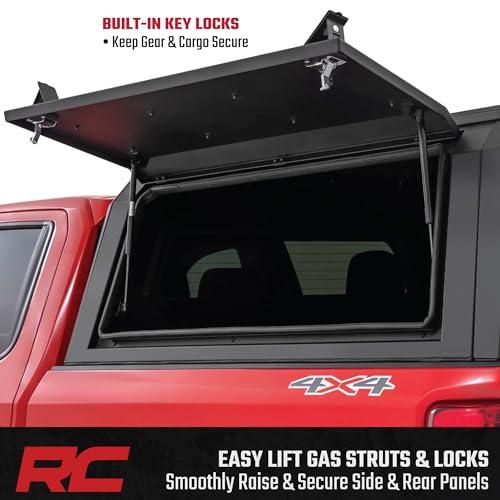
We integrate three-point locking on every cap because experience taught us single-point systems create leverage points thieves exploit. Our rotary locks engage the frame at the front corners and rear center simultaneously, distributing stress across the strongest structural points. The cylinders use automotive-grade tumblers that resist picking and weather corrosion.
The keyed-alike option lets you operate your cap locks with your truck’s existing key, eliminating extra keys on your ring. For fleet operators managing multiple vehicles, we offer master-key systems where one key opens all caps while each truck retains its unique key for daily use. This feature saves time during crew changes and equipment swaps without compromising individual vehicle security.
Installation & Truck Compatibility
Our caps mount using clamps that attach to your bed rail’s inner lip, not through-bolts that drill into the bed itself. This clamp system distributes weight evenly and allows removal without leaving permanent holes. The process takes 90 minutes to two hours at a certified dealer, where technicians align the cap, adjust clamps for even pressure, and verify the seal before you drive off.
We manufacture caps for every major truck platform from compact to heavy-duty. The mounting hardware differs between manufacturers – Ford’s stake pocket system requires different clamps than Chevy’s smooth rails – but the installation principle remains consistent. When you order, we need your truck’s year, make, model, and bed length. Short bed, standard bed, and long bed versions exist for most models, and mixing bed lengths with cap sizes compromises fit and weatherproofing.
More A.R.E. Truck Bed Solutions


Rated 4.8 by verified buyers


Common Questions About Pickup Truck Bed Caps
A quality cap generally maintains or increases resale value by demonstrating that you protected the bed from weather and cargo damage. The cap itself can be removed without leaving permanent modifications, so you can sell it separately or include it with the truck. Buyers often view caps as a value-added feature, particularly in commercial and outdoor-recreation markets.
The key is maintaining both the cap and bed in good condition. A well-cared-for cap signals an owner who invested in protection, while a damaged or poorly fitted cap can hurt perception.
While DIY installation is technically possible with two people and basic tools, we strongly recommend professional installation for several reasons. Proper alignment requires experience judging fit and seal compression, and incorrectly torqued clamps can crack the cap or fail to seal properly. Dealers have jigs and templates that ensure accurate positioning.
Professional installation typically includes warranty coverage that DIY installation voids. The two-hour installation cost is modest compared to the risk of leaks or damage from improper mounting.
Standard caps do not accommodate fifth-wheel or gooseneck hitches because they cover the bed entirely. Some commercial caps like our LS2 can be modified with a removable front panel, but this compromises weather sealing. If you regularly tow with a bed-mounted hitch, a tonneau cover provides better compatibility.
A few specialty caps exist with large front cutouts for gooseneck use, but these are custom orders with extended lead times.
Use automotive glass cleaner and microfiber cloths on all windows. The fiberglass interior can be wiped with damp cloths and mild soap. Avoid ammonia-based cleaners on tinted windows, as they can damage the tint film over time.
For stubborn dirt or mud, let it dry completely and brush it out rather than scrubbing wet. This prevents grinding grit into the gelcoat or window surfaces. Vacuuming regularly keeps dust from accumulating in the weather seal channels.
Modern caps with frameless side windows and large rear glass maintain good visibility compared to older designs with thick frames. The rear window on most models is similar in size to an SUV's rear glass. However, you lose the ability to see through the cab's rear window directly into the bed, which some drivers initially find disorienting.
Backup cameras eliminate this concern entirely, and many drivers find that solid side walls actually reduce blind spots compared to open beds with cargo that blocks sightlines.
Spray-in bed liners should be applied before cap installation, as the overspray and masking process is difficult with the cap in place. Drop-in bed mats can be added or removed anytime. If you're planning both upgrades, complete the bed liner first and wait at least 72 hours for full cure before mounting the cap.
Some dealers offer package deals where they coordinate the timing of both installations in sequence.
A properly maintained fiberglass cap lasts 15 to 20 years or longer. The gelcoat finish holds up to sun exposure better than most vehicle paint, and the structure itself doesn't corrode or rust. Aluminum caps last even longer structurally but may show cosmetic wear on high-contact areas like door handles and edges.
The factors that shorten lifespan are usually neglect – failing to replace worn weather seals, ignoring small cracks that grow, or using harsh chemicals that degrade materials. Regular inspection and minor maintenance extend life indefinitely for most owners.